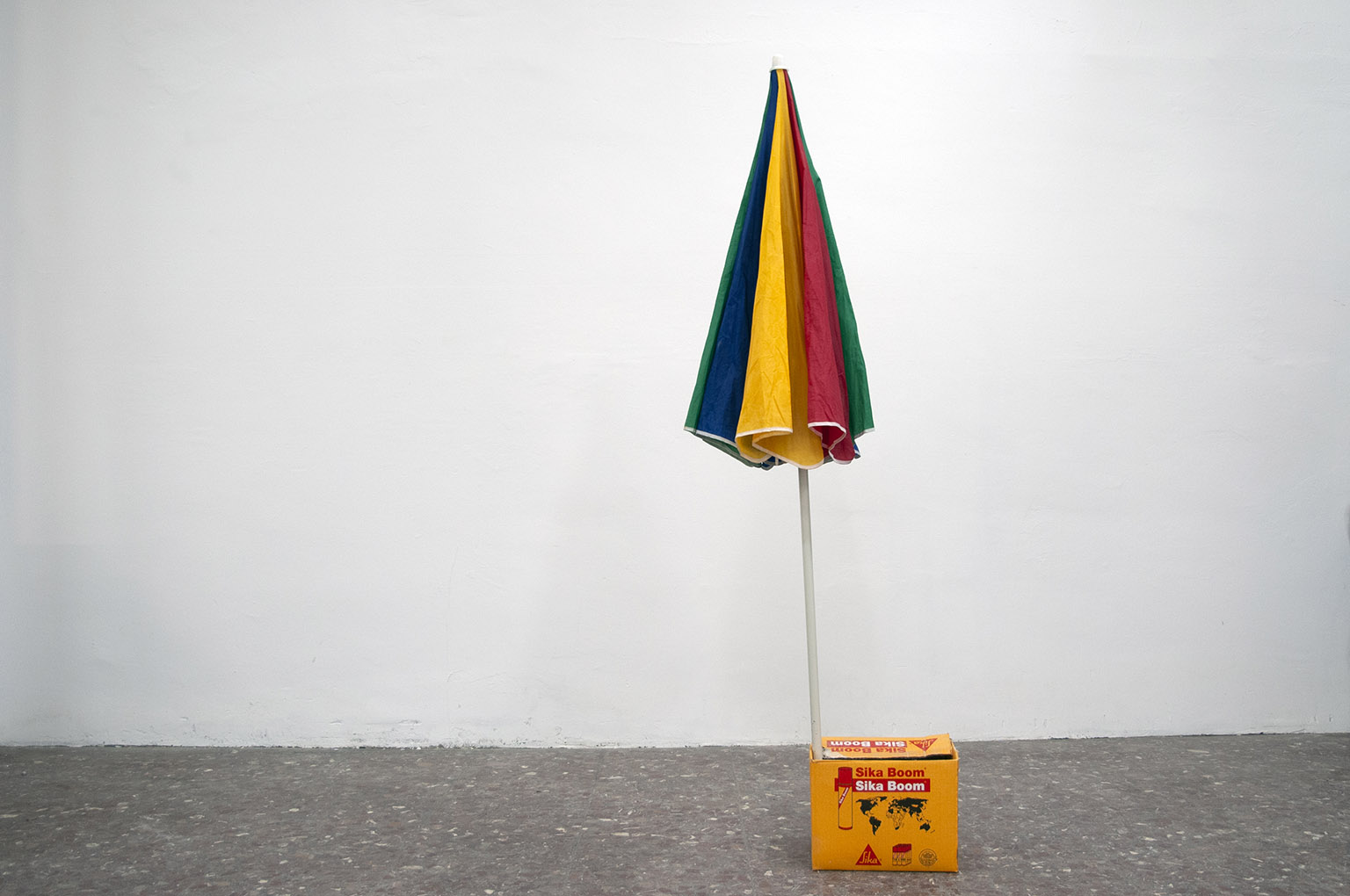
"Is this what I dreamed of as a child?” is a question that trembles with nostalgia and disenchantment. It is the breath of someone who once pursued a different future and, in the effort to belong, discovered the cost of their own transformation. The bright horizon of childhood has dimmed, veiled now by invisible borders and silences that divide.
To be accepted, many have learned to bend their tongue, to soften their gestures, to let their culture slowly wear away, like a flame fading into the dark. Integration has often revealed itself as an act of erasure: giving up an accent, a habit, a memory. It is a process that leaves bodies suspended, identities unmoored, and the quiet melancholy of those striving to resemble what they are not.
Within this open question, which seeks not answers but echoes, resounds the bitter awareness that the dream of childhood does not align with the reality of adulthood. It is a fractured dream, still alive in the shards of memory and in all that had to be forgotten in order to remain.


Those images are a rendering produced with 3D modeling software, intended to show the envisioned final form of the installation.

senza titolo (è questo che sognavo da bambino? (serie), 2024
umbrella,cardboard, asphalt, cement, metal, wood
30 x 40 x 150 cm


The Ascent emerges as a powerful, incisive reflection on the idea of social mobility and the illusion of individual progress. The ladder, an archetype of physical elevation, becomes a metaphor for social climbing: a linear path, yet one that is long, fragile, and solitary. Each rung may stand for a stage in the human pursuit of “fulfillment” — education, work, competition, sacrifice — while the extreme verticality and lack of solid grounding reveal the instability of the system itself.
At the top, the chair waits as a symbol of success, authority, or recognition. Yet its plainness and precariousness suggest a reward that is empty, impersonal, perhaps illusory. There is no triumph here, only solitude and uncertainty. In this way, the work lays bare the rhetoric of meritocracy, showing how the goal promised by contemporary society may be not only difficult to attain, but also disappointing and fragile; the reward may fail to justify the effort — or prove hollow altogether.
The work’s unstable placement against a desolate wall heightens the sense of harshness, alienation, and social determinism: few are able to climb, many remain below and watch, and whoever reaches the top stands alone, while the structural, economic, and cultural constraints are ignored.
"Is this what I dreamed of as a child?” is a question that trembles with nostalgia and disenchantment. It is the breath of someone who once pursued a different future and, in the effort to belong, discovered the cost of their own transformation. The bright horizon of childhood has dimmed, veiled now by invisible borders and silences that divide.
To be accepted, many have learned to bend their tongue, to soften their gestures, to let their culture slowly wear away, like a flame fading into the dark. Integration has often revealed itself as an act of erasure: giving up an accent, a habit, a memory. It is a process that leaves bodies suspended, identities unmoored, and the quiet melancholy of those striving to resemble what they are not.
Within this open question, which seeks not answers but echoes, resounds the bitter awareness that the dream of childhood does not align with the reality of adulthood. It is a fractured dream, still alive in the shards of memory and in all that had to be forgotten in order to remain.


Those images are a rendering produced with 3D modeling software, intended to show the envisioned final form of the installation.

senza titolo (è questo che sognavo da bambino? (serie), 2024
umbrella,cardboard, asphalt, cement, metal, wood
30 x 40 x 150 cm


The Ascent emerges as a powerful, incisive reflection on the idea of social mobility and the illusion of individual progress. The ladder, an archetype of physical elevation, becomes a metaphor for social climbing: a linear path, yet one that is long, fragile, and solitary. Each rung may stand for a stage in the human pursuit of “fulfillment” — education, work, competition, sacrifice — while the extreme verticality and lack of solid grounding reveal the instability of the system itself.
At the top, the chair waits as a symbol of success, authority, or recognition. Yet its plainness and precariousness suggest a reward that is empty, impersonal, perhaps illusory. There is no triumph here, only solitude and uncertainty. In this way, the work lays bare the rhetoric of meritocracy, showing how the goal promised by contemporary society may be not only difficult to attain, but also disappointing and fragile; the reward may fail to justify the effort — or prove hollow altogether.
The work’s unstable placement against a desolate wall heightens the sense of harshness, alienation, and social determinism: few are able to climb, many remain below and watch, and whoever reaches the top stands alone, while the structural, economic, and cultural constraints are ignored.