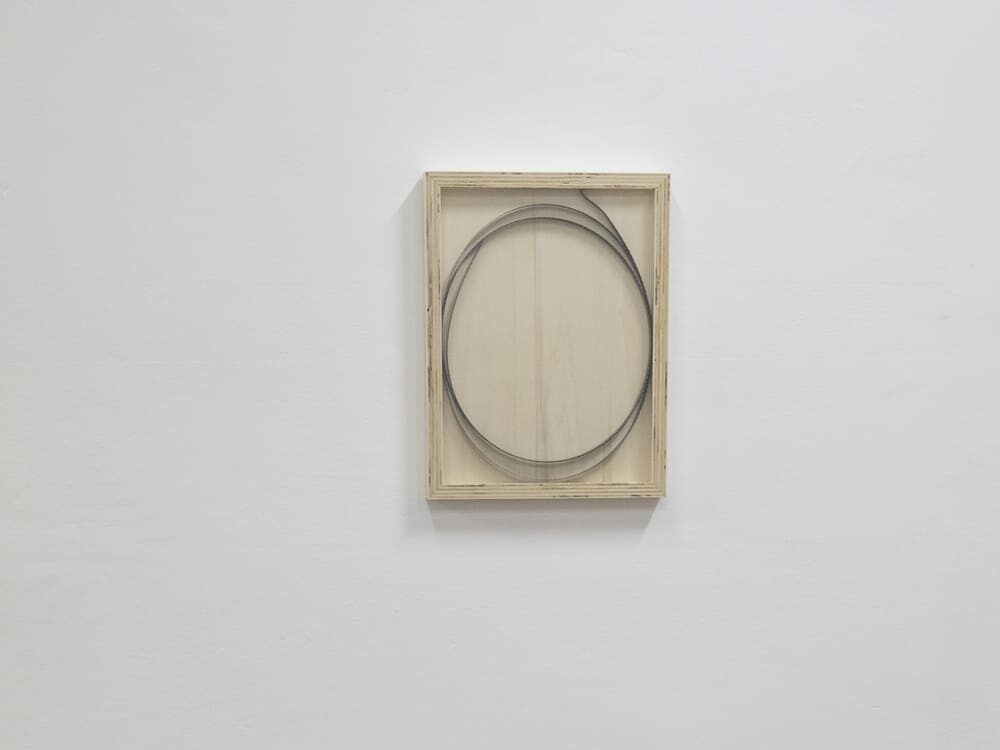
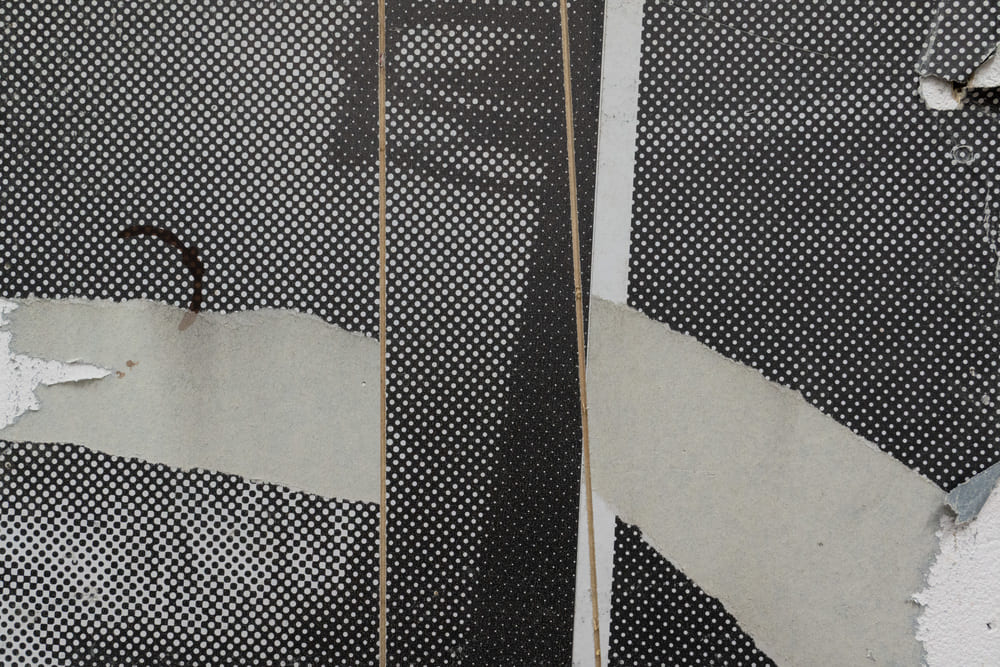
In less than half they used to be, Fabrice Bernasconi Borzì approaches sculpture as a form of self-portrait, without ever seeking direct resemblance. These works do not present a face; rather, they reveal traces, remains, fragments of earlier pieces, exhibition structures, and forms that have already existed. It is as if the artist were portraying himself through what is left behind, what shifts, what never fully comes to an end.
The title itself points in this direction: something that is now “less than half” of what it once was. Not only in a negative sense, but as an image of a fragile, incomplete, unstable condition. In these works, self-portraiture is never heroic or celebratory; it is made instead of humble materials, precarious balances, objects that seem on the verge of collapse and yet continue to endure.
This quality runs throughout Bernasconi Borzì’s wider practice, where reuse, irony, modest materials, and an ongoing reflection on what it means to make art today continually return. Here too, the artist does not construct perfect images, but forms that hover between presence and absence, strength and vulnerability.
In less than half they used to be, then, the self-portrait becomes a way of speaking not only about the self, but about a broader condition: that of someone trying to hold together memory, labour, identity, and transformation. What emerges are essential, ironic, and quietly melancholic works, speaking of the attempt to remain present even after something has been broken, reduced, or displaced by time.